How Baby Boomers, Gen X, Millennials, Gen Z, and Gen Alpha shop in 2026
Think about the last time you walked through a busy store. You may have noticed a teenager filming a video in the aisle, a parent comparing prices on their phone, or an older adult asking an associate for their recommendation. They’re all shopping in the same store, but each generation is having a different shopping experience.
The challenge for retail leaders is finding ways to support the store associate who is expected to serve them all.
Generational differences are real. Baby Boomers, Gen X, Millennials, Gen Z, and Gen Alpha are all proven to have different shopping habits. But what retailers actually need is operations that connect associates to timely data.
Baby Boomers: Loyal shoppers who value service and convenience
Baby Boomers (born 1946 – 1964) hold significant spending power. They’re enjoying retirement or working flexible hours, which means they have both the time and the means to be selective. They show up to the store knowing what they’re interested in, and it becomes the associates job to earn their trust and recognition.
Baby Boomer shopping behavior
Ninety-four percent of Boomers use search engines to research products before they ever walk through your door. This generation still prefers physical stores and want to see products and gauge the quality for themselves. If needed, they want the option to speak to a real person for help.
Loyalty is not treated lightly. When they give it, they expect recognition and consistency in return. They value the feeling of being known and have zero tolerance for poor service.
Boomer shopping habits haven’t changed. Retail operations can.
Recognition from the first moment of interaction is the expectation. For repeat customers, associates need access to customer profile data like purchase history and preference to serve Boomer customers. For first-time customers, the priority is capturing data that will build recognition over time. The details collected today, from birthdays to fit notes, are what make the next visit feel personal.
Generation X shopping habits: Research-driven with a low tolerance for the generic
Often called the middle child of generations, Gen Xers (born 1965 – 1980) are powerful spenders who move between digital and physical buying experiences fluidly. They research carefully, decide deliberately, and once they’ve made a choice, they commit to it. They’re comfortable with technology but still appreciate the in-store shopping experience.
Gen X shopping behavior
Seventy percent of Gen X consumers are loyal to brands that consistently deliver to their expectations. They don’t tolerate generic recommendations. They don’t get distracted by flashy ads. And they use every tool available like curbside pickup and reorder reminders to maximize their time.
Gen X already knows what they want. The operational priority is giving associates the contextual knowledge to deliver a concierge experience without the sales pressure.
The retail interaction that wins with Gen X is the one that gets to the point and backs up its recommendations. It’s not uncommon for a Gen X customer to begin research online and finish their purchase in-store. The associate who already knows what the customer viewed online is more prepared to support this generation’s needs.
Millennials: The experience-driven generation
Millennials (born 1981 – 1996) are in their prime spending years, mobile-first by habit and care deeply about the story behind a brand. They’re not suspicious of personalization; they expect it. However, they don’t respond well to personalization that feels automated, transactional, or misaligned with their values.
Millennial shopping habits call for personalization and ease
The Millennial generation trusts other customers more than they trust brands. User-generated content is what drives their purchase decisions. They want:
- Social proof
- Values-based buying
- Mobile-first everything
A personal note from an associate about a new arrival lands differently than a mass promotion. Data is what makes it possible. Associate-led messages see a 66% open rate compared to 2% for corporate mass sends, according to our benchmark report. With AI-assisted clienteling, retailers can support every associate in making each moment feel genuine.
Generation Z: Digital natives who expect a response
Compared to other generations, Generation Z (born 1997 – 2012) is the most hyper-informed shopper in retail right now. They’re known to be vocal and have seen enough marketing that they can spot anything that feels manufactured.
Generation Z shopping habits
As a digital-first generation, Gen Z will go to TikTok before they go to Google. They visit physical stores for the instant gratification of taking home their purchase on the same day. The tension for retailers is that Gen Z wants the same instant response to questions and requests, but they also want those interactions to feel real.
That’s the operational challenge. Associates need to answer questions as they come and to connect with Gen Z on channels they actually use. With the right technology, associates can match recommendations to Gen Z shoppers’ preference in a way that feels authentic and works at scale. For a look at how this plays out in premium retail, read our blog on Gen Z and the luxury experience.
Generation Alpha: The $500 billion opportunity
Generation Alpha (born 2013 – present) is already influencing billions in family spending. They are the first truly digital generation, with no memory of a world without smartphones. They see no separation between the digital world and the physical, discovering brands in virtual worlds like Roblox, before ever seeing them in store. They also expect AI as a baseline. Technology that doesn’t already know their preferences can seem broken to them.
Gen Alpha shopping behavior
What the Gen Alpha customer wants, the family often buys. They aren’t completing transactions yet, but they are directing them. The Acorns Money Matters Report™ for Kids estimates Gen Alpha has $11.3 billion in direct spending power. So reaching Gen Alpha today means gaining the loyalty of the household.
Associates who have access to unified household profiles are better equipped to serve Gen Alpha now. That’s the operational investment that puts retailers in position to capture the $500 billion in household spending they’re already shaping.
Building the future of retail
This guidance on generational shopping habits is useful context, but it’s not a script. The associate is thinking of ways to provide the right support across every customer interaction. Winning in 2026 means giving them a single foundation of customer data to work from.
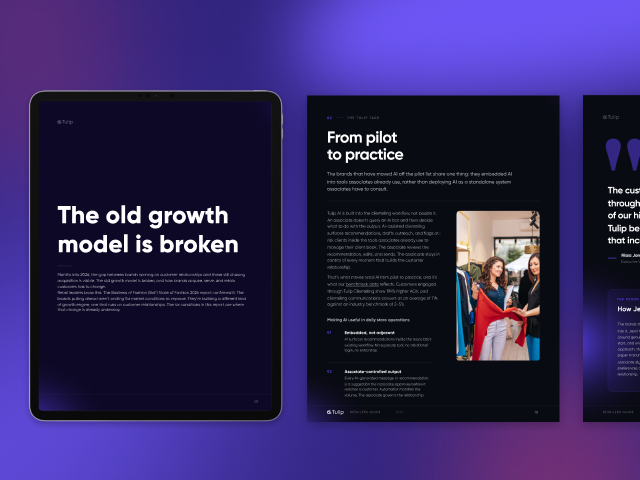
The Tulip Clienteling Benchmark Report breaks down what that looks like in practice, by channel, by metric, and by the brands already doing it.