
Unlock customer loyalty & skyrocket sales: The retailer’s handbook for clienteling
What is clienteling, and why does it matter for your retail business?
Are you a retail leader, store manager, or sales associate looking to boost customer loyalty, increase sales, and differentiate your brand in a competitive market? Do you want to move beyond transactional sales to build lasting, high-value customer relationships? This guide is for you.
Clienteling is a sophisticated retail strategy focused on building personalized, long-term customer relationships. It’s about transforming every customer interaction into an opportunity for deeper engagement. Instead of just making a sale, clienteling aims to understand individual customer preferences, purchase history, and communication styles to deliver a hyper-personalized shopping experience, both in-store and online.
The core problem clienteling solves: Modern customers seek more than just products; they crave authentic connections and experiences that make them feel valued. Clienteling addresses this by empowering sales teams with the insights and tools needed to anticipate customer needs, provide tailored recommendations, and foster genuine rapport.
Clienteling vs. CRM: What’s the difference?
Many people wonder about the difference between Clienteling and CRM (Customer Relationship Management). While they both deal with customers, they’re different tools for different jobs in your retail business.
What is a CRM?
Think of a CRM solution as a big, central database for all your customer information across your entire company. It’s typically used by corporate marketing teams and sometimes customer service.
- Main goal: To help your company manage and understand all its customer interactions. It’s about making your business operations smoother and more efficient.
- Who uses it: Often used by people who manage big-picture customer data, marketing campaigns, or other top-down strategies.
- What it tracks: Broad information like purchase history, contact details, how many emails a customer opened, or if they’ve called customer service.
- Focus: It’s more about the company’s relationship with many customers.
What is a clienteling solution?
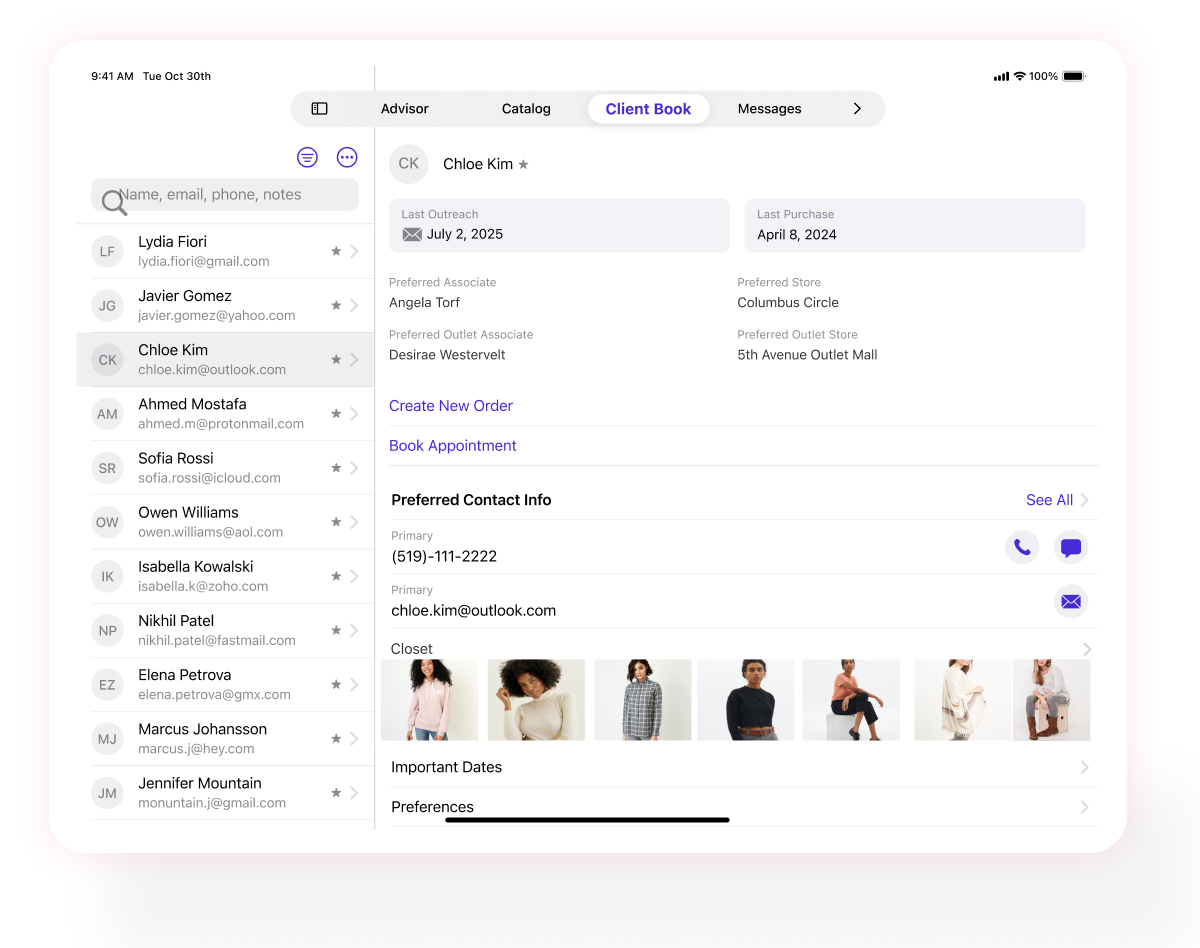
A clienteling solution is a special tool designed specifically for your retail sales associates. It’s often connected to a CRM, but it gives associates a much more personal view of each customer.
- Main goal: To empower sales associates and store teams to build deep, personal connections with customers. It helps them remember details and offer truly personalized service.
- Who uses it: Primarily used by sales associates and store managers.
- What it tracks: Very detailed, personal information that helps build rapport, like a customer’s favorite colors, their kids’ names, what they chatted about last time, or items they’ve wished for.
- Focus: To build deeper and more personal customer relationships.
Clienteling vs. customer service vs. regular selling: Key distinctions
It’s crucial to understand how clienteling stands apart from other common retail activities.
What is customer service?
Customer service is generally about helping customers when they have a problem or a question. Think of it as a reactive role – you respond to what the customer needs right now. This could be answering questions about a product, helping with a return, or solving a shipping issue. It’s about making sure the customer’s immediate needs are met.
- Clienteling vs. customer service:
- Proactive vs. reactive: Clienteling initiates engagement based on data and anticipated needs, while customer service typically responds to customer inquiries or issues.
- Data-driven: Clienteling is built on detailed customer data, enabling personalized outreach and recommendations, unlike general customer service.
What is regular selling?
Regular selling focuses on making a single sale. A sales associate might help a customer find an item, answer their questions, and complete the transaction. The main goal is to get the product off the shelf and into the customer’s hands, often without much thought for future interactions. It’s about the immediate purchase.
- Clienteling vs. regular selling:
- Relationship-focused vs. transaction-focused: Regular selling aims for a single, immediate sale. Clienteling prioritizes building an ongoing relationship to secure repeat business and increase customer lifetime value (CLTV).
- Trusted advisor role: Clienteling transforms sales associates into trusted advisors who leverage data to make informed, personalized product suggestions.
How does clienteling work in practice?
Effective clienteling is a systematic process that leverages data and human connection to create exceptional customer experiences.
The clienteling process: From data to deep relationships
1. Data collection:
- What data is collected? Detailed customer preferences, purchase history, style, size, favorite brands, colors, and lifestyle hints.
- Where does it come from? In-store interactions, online browsing behavior, and direct customer opt-in.
- Modern approach: Historically stored in binders, this data is now digitized and accessible via cloud-based platforms (e.g., tablets, smartphones) for real-time access by any associate, anywhere.
2. Personalized engagement:
- Utilize collected data to offer tailored suggestions, acknowledge loyalty, and celebrate special occasions (e.g., birthdays).
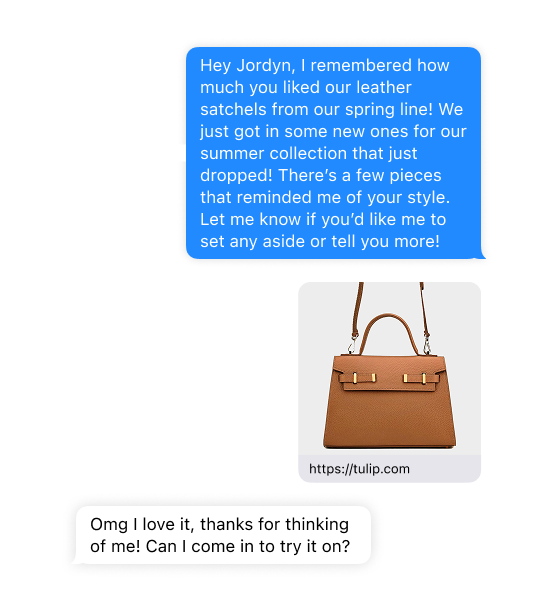
- Example: A sales associate greets a customer by name, recommends products based on past purchases, and informs them about new arrivals relevant to their interests.
- Omnichannel communication: Adapt communication channels (SMS, email, social media, in-store) to meet customers where they prefer to engage.
3. Human connection:
- Why it’s vital: Despite data’s importance, genuine human conversations often outperform automated messages. 78% of shoppers are more likely to re-purchase after personalized communications.
- Role of associates: Sales associates provide expert advice, build rapport, and foster trust, turning simple interactions into meaningful relationships.
4. Proactive selling:
- Shift from reactive: Instead of waiting for customers, associates initiate contact, using data to predict needs and offer assistance throughout the shopping journey.
- Outreach examples: This includes special offers, helpful information, or simple check-ins, always delivered through the customer’s preferred communication channel like SMS, social media, email, or phone, all based on their unique profile.
The indispensable role of clienteling in modern retail (2025 & beyond)
Clienteling is not just a “nice-to-have”; it’s a strategic imperative for sustained retail success.
Key benefits and outcomes of clienteling:
- Enhanced customer experience: Delivers personalized and relevant interactions, making customers feel special and understood. This leads to positive, memorable shopping journeys.
- Fostering customer loyalty and retention: Builds strong, long-term relationships, converting one-time shoppers into loyal brand advocates. This is crucial as it costs 5 to 25 times more to acquire a new customer than to retain an existing one, significantly reducing customer acquisition costs and increasing CLTV.
- Driving sales and Average Order Value (AOV): Personalized service and recommendations lead to more frequent purchases and higher spend per transaction. 80% of businesses report increased consumer spending from personalized experiences.
- Competitive differentiation: Helps brands stand out in saturated markets by offering a level of personalized service that large retailers often cannot replicate.
- The power of trust and personalization: Personalization, which involves understanding and predicting customer needs, behavior, and preferences, is fundamental to building trust. 71% of consumers expect personalized interactions.
- Strategic customer segmentation: Groups customers (e.g., VIPs, new customers, specific hobby groups) to optimize resource allocation for personalized outreach.
- Optimized inventory management: Clienteling data provides insights into customer demand and preferences, leading to more accurate inventory forecasting and reduced stockouts.
- Boosts adaptability to changing market trends: Keeps retailers informed about evolving customer preferences, enabling quick adjustments to strategies and offerings.

What is clienteling software, and why is it essential for retailers?

Modern clienteling relies heavily on specialized software solutions that centralize customer data and streamline interactions.
Functionality and benefits of clienteling software:
- 360-degree customer profiles: Provide a comprehensive view of customers across all channels and locations, including preferences, past purchases, wish lists, and conversation notes. This empowers associates to offer hyper-personalized service.
- Integrated omnichannel communication: Enable communication via SMS, email, phone, live video, and popular messaging apps (WhatsApp, WeChat, Line, Kakao Talk).
- Messaging templates: Offer pre-designed messages to ensure consistent brand tone and product naming, which is especially beneficial for new hires.
- Employee task management: Help managers assign and track associate tasks, ensuring timely follow-ups (e.g., replying to customer inquiries, notifying clients about new arrivals).
- Reporting & analytics: Track key performance indicators (KPIs) such as customer interactions, sales influenced, average order value, and associate proactivity, providing actionable insights for improvement.
- Rich product information: Provide instant access to accurate pricing, inventory levels, and detailed product data, enabling associates to answer queries effectively and suggest alternatives.
For example, a robust clienteling platform like Tulip offers these functionalities, enabling retailers to unify customer data, empower associates, and drive significant sales growth through personalized engagement.
5 essential clienteling tips for retail associates
To maximize the impact of clienteling, associates should focus on these key strategies:
- Automate clienteling processes: Leverage technology such as AI to handle repetitive tasks (e.g., follow-up reminders, writing personalized messages, appointment scheduling). This frees up associates to focus on high-value, human interactions.
- Empower associates as local experts: Provide extensive product training and encourage associates to share their personal style and product knowledge. Leveraging AI for “next-best-action” in this step helps associates to truly act as experts. Empowered associates are more confident, engaged, and effective.
- Foster omnichannel engagement: Ensure a seamless customer experience across all touchpoints (in-store, online, mobile). Omnichannel clienteling means an online browsing session can inform an in-store conversation, while virtual clienteling extends personalized digital outreach (e.g., targeted product suggestions via email/text).
- Leverage data for personalization: Grant associates easy and immediate access to customer purchase history and preferences. Leveraging AI for robust customer summaries can allow for this information to be found even faster. This enables truly personalized suggestions that make customers feel understood and valued.
- Track performance and reward excellence: Implement real-time reporting to monitor clienteling effectiveness. Recognizing and rewarding top performers motivates the team and reinforces the importance of relationship-building.
Real-world clienteling success stories
Leading brands have demonstrated the tangible benefits of clienteling:
- Coach (global brand): Sales from clienteling increased 73% when associates from all over the world were given access to cloud-based customer profiles that unified data across channels, enabling them to provide a consistent personal experience at scale.
- Jenni Kayne (lifestyle brand): Saw 50% higher order values by providing personalized recommendations and attentive service, proving clienteling’s power in increasing AOV.
- Boggi Milano (menswear): Sales from clienteling increased 27% after giving store associates on-demand visibility and control over their sales numbers. They can now monitor customer buying habits, send tailor-made proposals, and nurture their customers’ ongoing relationship with the brand, all from one clienteling app.
These examples underscore how leveraging customer insights for personalized service drives significant business results and builds lasting relationships.
Navigating challenges and considerations in clienteling
Implementing clienteling effectively requires addressing common hurdles:
- Staff adoption and training:
- Strategy: Start with tech-savvy early adopters, provide practical, hands-on training, and choose a clienteling software partner (like Tulip) that offers ongoing support and adapts to your needs.
- Data privacy and ethical considerations:
- Strategy: Prioritize privacy-first personalization by gaining explicit customer consent. Collect only necessary data and partner with solutions that adhere to strict privacy standards (e.g., SOC 2 Type 2, PCI, GDPR, CCPA).
- Overcoming channel cannibalism and attribution:
- Strategy: Implement robust tracking to attribute sales across channels, ensuring associates receive credit for online sales they influence. Establish clear rules for customer assignment to prevent internal conflicts and work with a clienteling software partner that allows for customizable attribution rules.
- Avoiding “spammy” outreach:
- Strategy: Maintain a balanced mix of communications (check-ins, thank-yous, promotions). Every outreach should have a clear, non-salesy reason rooted in customer context.
The future of clienteling: Phygital, AI, and next-gen engagement (2026 & beyond)
Clienteling is not a fleeting trend but a fundamental shift in retail, continually evolving with technological advancements.
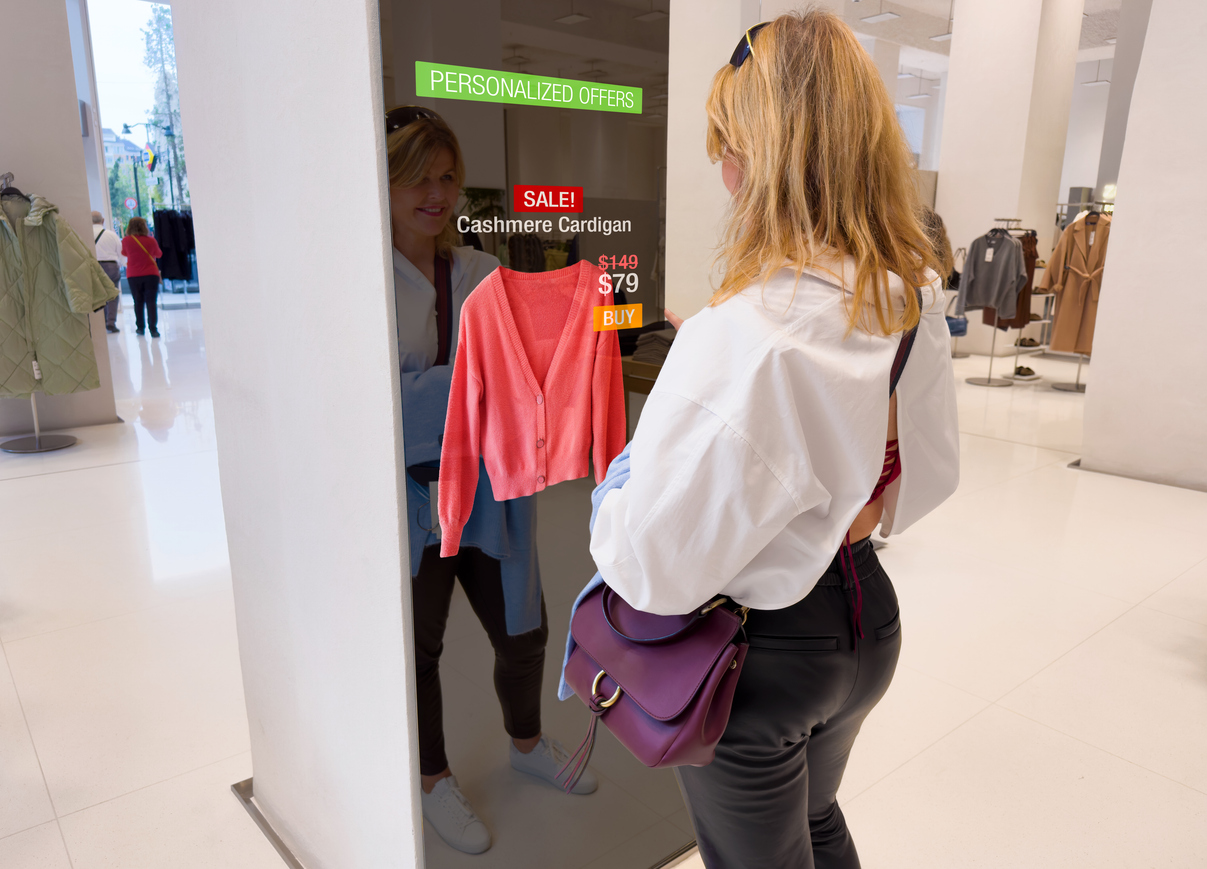
- Phygital revolution: The blending of physical and digital experiences will intensify.
- Innovations: RFID chips for interactive product information, virtual try-on apps, smart carts, and interactive displays.
- AI’s deeper infiltration: Artificial Intelligence will enhance clienteling capabilities:
- Hyper-personalization at scale: AI will enable dynamic, real-time personalization across all touchpoints by analyzing vast datasets to predict individual preferences.
- Predictive Customer Lifetime Value (LTV) optimization: AI models will forecast customer long-term value, identifying high-potential clients for targeted clienteling and flagging churn risks.
- Intelligent outreach orchestration: AI will suggest optimal messaging, channels, and timing for proactive outreach, while still empowering human associates with tools for further personalization.
- Optimizing sales associate performance: AI will analyze associate interactions to provide personalized coaching and training, enhancing effectiveness and relational agility.
- Advanced demand forecasting: AI will influence merchandising strategies by ensuring the right products are available at the right time, directly supporting personalized recommendations.
- Adapting to new generations (Gen Z & Gen Alpha): Clienteling strategies must evolve to meet the preferences of these digitally native, authenticity-seeking generations.
- Digital-first engagement: Focus on mobile shopping, social media, and messaging apps.
- Authenticity and transparency: Build genuine, personal relationships over traditional advertising.
- Experiences over transactions: Prioritize personalized experiences that align with their desire for value beyond just a purchase.
Bringing it all together: Why clienteling is your retail imperative
Clienteling is a necessity for retailers aiming for sustained long-term success. By strategically implementing clienteling, stores can:
- Cultivate unwavering customer loyalty
- Build highly motivated sales teams
- Achieve significant sales growth
The core principle of clienteling is recognizing customers as individuals, not just sales numbers. By investing in personal service, leveraging technology, and empowering sales associates, retailers can transform simple interactions into meaningful relationships. This not only boosts immediate sales but also cultivates a loyal customer base that champions your brand for years to come.
Frequently asked questions (FAQ) about clienteling
Here are answers to common questions about clienteling, covering its basics, benefits, and future: